Visit and Care – Bikur Cholim
- Become a volunteer today
- Please help and donate today
About Visit & Care
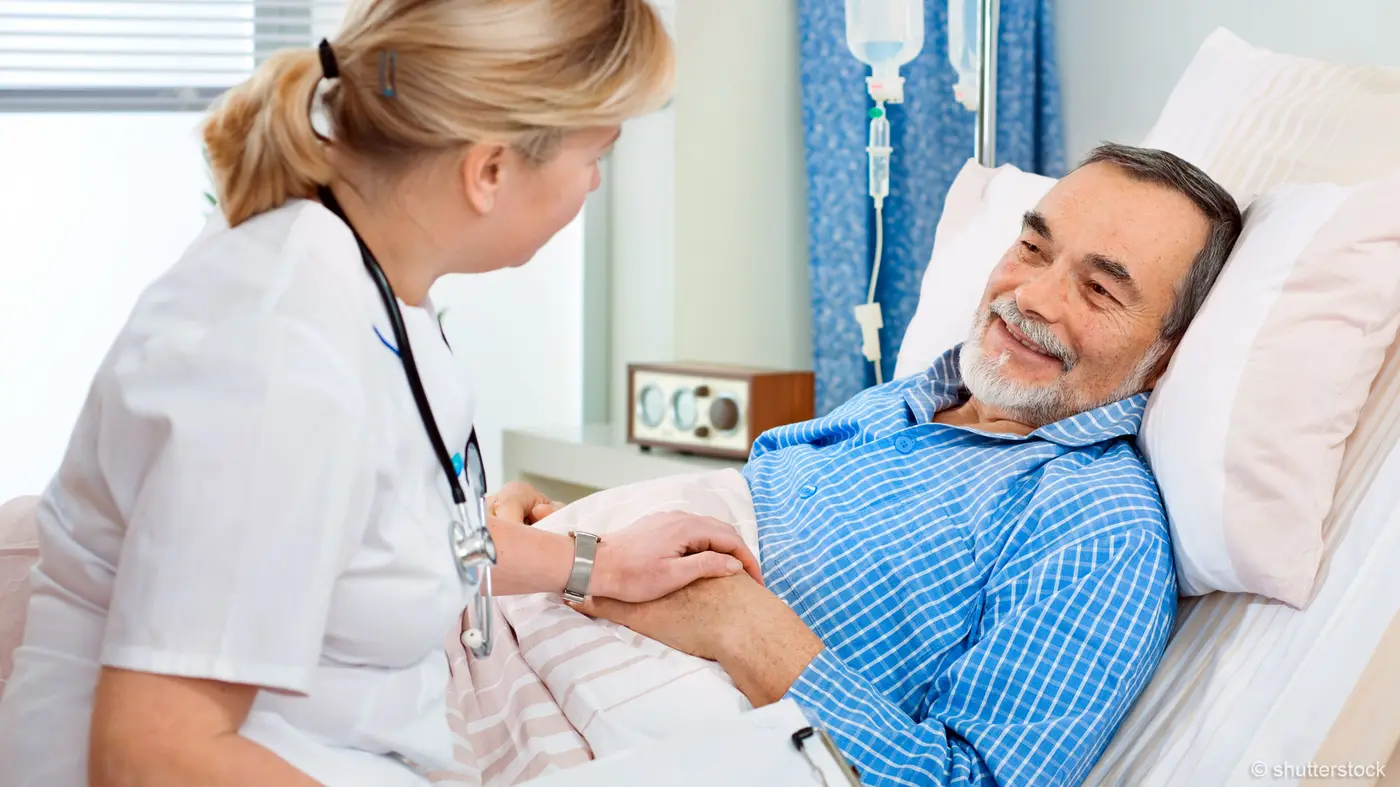
Bikur cholim is an essential quality of good interpersonal relationships. It reflects the primary Biblical value, "And you shall love your fellow as yourself" (Leviticus 19:18). By fulfilling this role, we deeply enrich both our lives and the lives of those we visit. When we visit we attain a spiritual dimension that goes well beyond a simple personal expression of caring and links us with generations past, present and future. Indeed, we are linked not only to the entire Jewish people, but to all humanity, as well, emulating the G-dly attributes of compassion and lovingkindness. Read more!
Rabbi Boruch Shapiro
Director
Why we help
Bikur cholim, "visiting the sick," in Hebrew, is a term encompassing a wide range of activities performed by an individual or a group to provide comfort and support to people who are ill, homebound, isolated and/or otherwise in distress.
The act of bikur cholim is a mitzvah, a moral and spiritual obligation incumbent upon all Jews to perform. The Torah tells us that human beings are created in the image of G-d and instructs us to aspire to be like G-d by emulating His ways. G-d visits Avraham while he was recuperating after being circumcised (Genesis 17:26-18:1). The Talmud teaches us that "As He visited the sick, so shall you visit the sick…"
Testimonials
Read about how Visit and Care has helped to change peoples lifes
Dear Rabbi, thank you for your visit today, thank you for everything! Thank the boys for their time too, it has made my heart lighten. Warmest wishes
Thank you very much for visiting me and bringing Chalah and Grape Juice along with the card. I was so touched with your thoughtfulness. Although we don’t usually keep Shabbat at home it made this Friday night at the hospital very special. My husband and I decided that after discharge from the hospital I will start lighting Shabbat candles and we will make family dinner on Friday nights.
I would like to thank you visiting my grandfather in his last days. As you know we are not religious and although I went to Jewish school, Tefillin is not the thing that our family would do. So much more I was surprised when after you visit my grandfather wanted to see you again and put on Tefillin. I discovered that just like me he didn’t do it since his Bar Mitzvah that was over 70 years ago. For the first time I heard stories about his life in pre-war Poland and I could sense how dear to him those memories were. And they part of my heritage too. If not for Tefillin I would never know about it.
Rabi Boruch, thank you so much for taking the time to say prayers with my grandmother at the hospital tonight.